Beer isn't just about parties and pubs — it's a cultural, nutritional, and historical drink with surprising advantages when consumed responsibly. 146
More Than Just a Drink
When people think of beer, they often think of bars, barbecues, or sporting events. But beer is far more than a casual beverage — it's one of the oldest and most widely consumed drinks in human history. And surprisingly, when enjoyed in moderation, beer can actually contribute positively to your health and well-being.
From ancient monks brewing it in monasteries to today’s booming craft beer culture, beer has evolved from survival staple to social icon. But behind the foam and fun lies a drink filled with antioxidants, nutrients, and fascinating cultural significance.
Beer Is Packed with Nutrients
Beer contains more than just alcohol — it offers a mix of essential nutrients. It’s a source of B vitamins, potassium, magnesium, and even fiber. Dark beers, in particular, contain antioxidants similar to those found in fruits and vegetables.
In fact, moderate beer consumption has been linked in some studies to a lower risk of certain diseases, thanks in part to these beneficial compounds. Like wine, beer has its own unique mix of plant-based nutrients derived from hops and barley.
Heart Health and Longevity
Moderate beer drinkers may be doing their hearts a favor. Research suggests that one or two beers a day may help reduce the risk of heart disease. Beer can increase “good” HDL cholesterol, improve circulation, and reduce inflammation — all factors that contribute to cardiovascular health.
Furthermore, some long-term population studies have shown that moderate drinkers tend to live longer than those who completely abstain or over-indulge, though lifestyle and genetics also play a major role.
A Friend to Digestion
Thanks to its rich blend of soluble fiber, beer can aid digestion and improve gut health. The fermentation process used to brew beer may also introduce beneficial bacteria to your digestive system — especially in unfiltered or craft beers.
Additionally, the hops used in beer are known for their anti-inflammatory and antimicrobial properties, which can benefit your digestive tract and support a healthy gut microbiome.
Boosting Creativity and Relaxation
Ever noticed how a sip of beer can help you unwind or spark a fun conversation? A small amount of alcohol can reduce social anxiety, help relax your mind, and even boost creative thinking by lowering inhibition and promoting divergent thinking — the kind of thinking associated with brainstorming and artistic expression.
Of course, the key is moderation. A little can open the door to a more relaxed, confident version of yourself — too much can close it completely.
A Social Ritual With Deep Roots
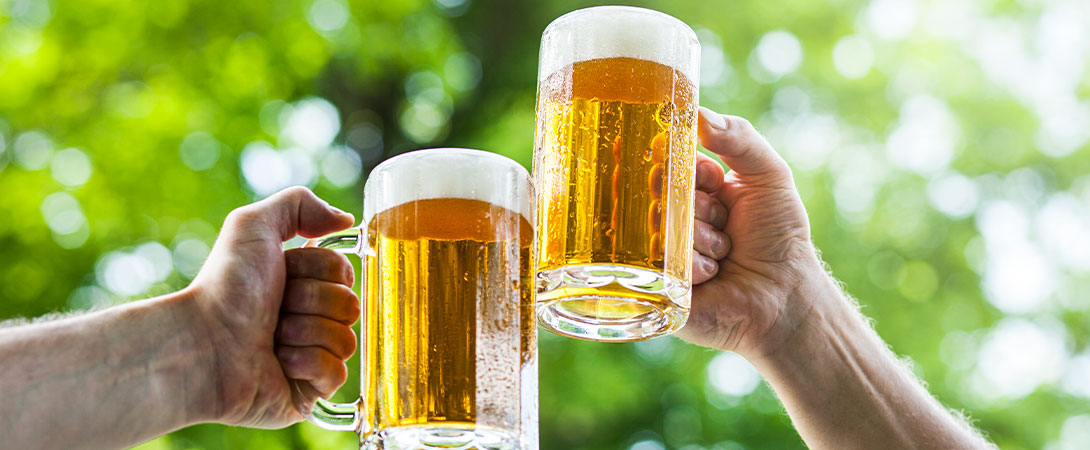
Beer is more than a beverage — it's a social connector. From ancient beer halls to backyard get-togethers, sharing a cold brew brings people together in a way few drinks can. Beer plays a vital role in many cultural ceremonies and traditions around the world.
There’s something deeply human about clinking glasses, telling stories, and unwinding after a long day. Beer makes this ritual both satisfying and symbolic — a celebration of life’s small victories.
"In moderation, beer isn’t just a drink — it’s an experience, a moment, a connection, and sometimes, a quiet toast to a day well spent."
Breaking the Myths
Contrary to popular belief, beer isn’t always bad for your waistline or your brain. In fact, “beer belly” is more about excessive calories and sedentary lifestyle than the beer itself. Many beers are relatively low in calories — especially light varieties — and far less sugary than mixed cocktails.
As for mental sharpness, moderate drinking doesn’t damage your brain — in some cases, it may even reduce the risk of cognitive decline in aging adults. The key again? Balance and moderation.
Drink Smart, Live Well
Beer isn’t a miracle cure or a health elixir — but it’s also not the villain it’s often made out to be. In the right context, and with self-awareness, beer can be part of a healthy, enjoyable lifestyle.
So the next time you pour a pint, remember: you're not just sipping on hops and barley. You're drinking history, culture, science, and maybe — just maybe — a little bit of happiness too.
Explore more thought-provoking stories and lifestyle insights at blog.mkpatu.com · Curated by Mkpatu
Was this post helpful?
Comments (0)
No comments yet. Be the first to comment!
Leave a Comment
You Might Also Like

How the Ultra-Wealthy Protect Their Assets Without Flash
Quiet Wealth, Strong Walls: Inside the Tactics of Discreet Millionaires and Bill...

10 AI Tools That Will Save You Hours Every Week
Discover the top AI tools that cut through the noise and give you back hours eve...

Top Tech Features to Look for in a 2025 Model
The Smartest Cars Aren’t Just Fast — They’re Aware, Connected, and Built for You...
Why Do Women Add Weight After Giving Birth?
Postpartum weight gain isn’t just about food — it’s about hormones, healing, and...

What I Learned Sitting With Self-Made Millionaires
In rooms filled with quiet confidence and generational intention, I found lesson...



.jpg)